

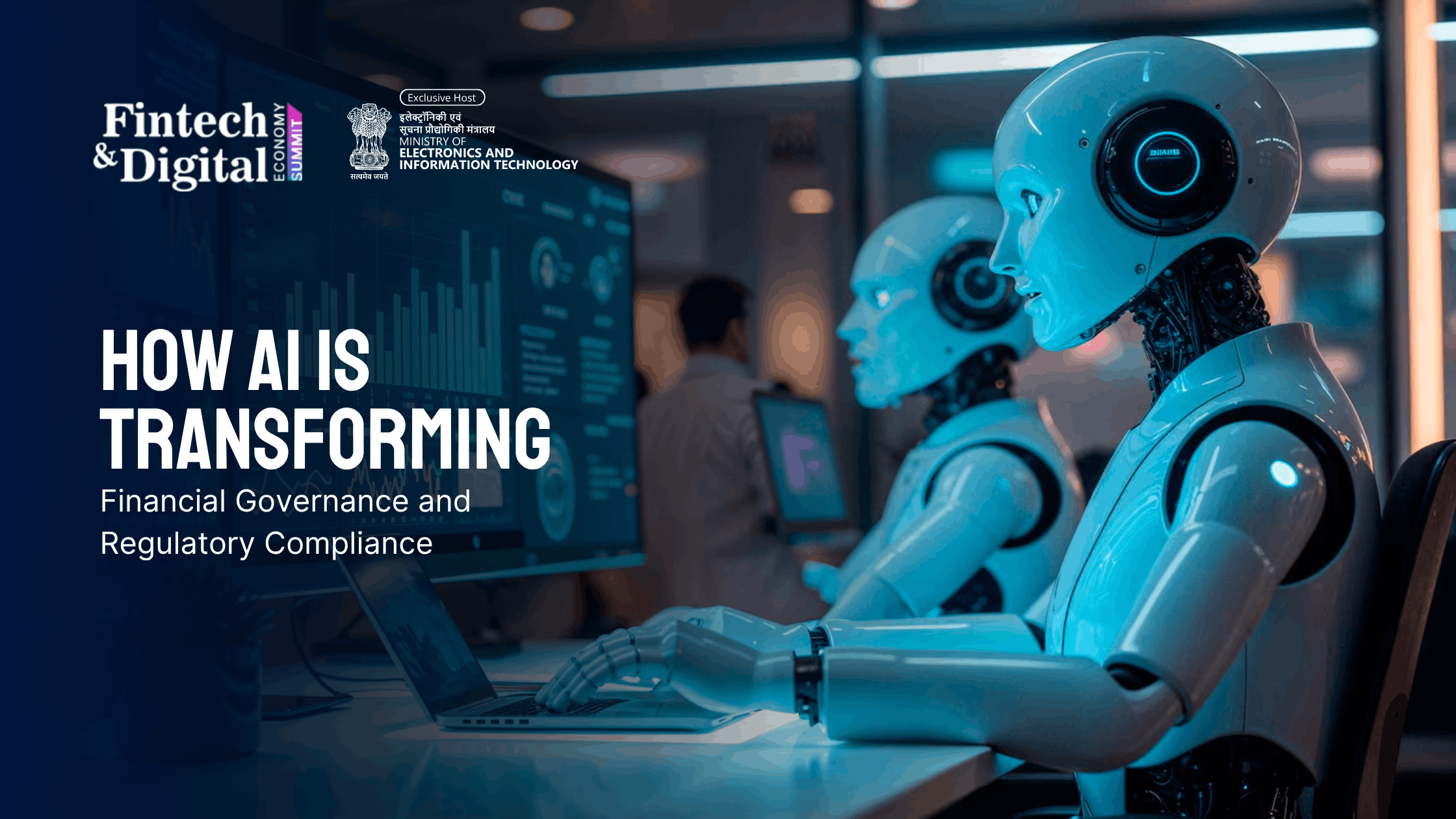
Artificial Intelligence (AI) is rapidly redefining how financial institutions manage governance and regulatory compliance.
As financial ecosystems become more digital, interconnected, and data-driven, traditional compliance methods are no longer sufficient to handle the speed and complexity of modern transactions.
Today, AI enables smarter monitoring, faster decision-making, and improved transparency across financial operations.
By integrating intelligent technologies into governance frameworks, organisations can strengthen compliance standards while supporting innovation and growth in the digital economy.
The Growing Need for AI in Financial Governance
Financial governance ensures that institutions operate responsibly, manage risks effectively, and follow regulatory requirements. However, the rise of digital payments, decentralized finance, and cross-border transactions has created new challenges.
AI helps address these challenges by enabling financial systems to:
- Analyse large volumes of transactional and behavioural data in real time
- Detect potential compliance risks before they escalate
- Support faster regulatory reporting and monitoring
- Improve overall operational efficiency and accountability
This shift from reactive compliance to proactive governance is transforming how financial institutions operate globally.
Key Ways AI is Improving Risk Management
One of the most impactful applications of AI in financial governance is risk assessment and fraud prevention. Intelligent algorithms can identify unusual patterns that may indicate financial misconduct or operational weaknesses.
Real-Time Fraud Detection
AI-powered systems strengthen security by continuously monitoring financial activities. They can:
- Track transaction behaviour and flag suspicious patterns
- Reduce financial losses through early detection
- Improve customer trust by enhancing system reliability
Predictive Risk Analysis
AI also supports strategic risk management by forecasting potential issues. Financial institutions can benefit from:
- Data-driven insights into market trends and regulatory changes
- Early warnings about operational vulnerabilities
- More informed decision-making at leadership levels
RegTech and the Evolution of Compliance Processes
Regulatory Technology (RegTech) solutions are becoming essential for modern compliance management. These AI-driven tools simplify complex regulatory requirements and help institutions maintain accuracy in reporting.
Benefits of AI-Enabled Compliance Systems
Organisations adopting AI-based compliance frameworks can achieve:
- Automated data collection and regulatory reporting
- Reduced human error in documentation and monitoring
- Faster response to policy updates across global markets
- Improved alignment with international compliance standards
By streamlining compliance workflows, AI allows financial professionals to focus more on strategy and innovation.
Enhancing Transparency and Governance Accountability
Transparency is a core principle of financial governance. AI contributes to stronger accountability by providing deeper insights into financial operations and decision-making processes.
How AI Improves Governance Structures
AI-driven governance frameworks help organisations:
- Access real-time performance dashboards and analytics
- Strengthen internal and external audit processes
- Ensure better traceability of financial transactions
- Build stakeholder confidence through data-backed reporting
These capabilities are particularly valuable in highly regulated financial environments.
Supporting Financial Inclusion and Policy Innovation
AI is not only improving compliance but also enabling more inclusive financial systems. Intelligent technologies help institutions expand access to financial services while maintaining regulatory integrity.
Key contributions include:
- Faster identity verification and digital onboarding
- Personalised financial solutions for diverse customer segments
- Improved regulatory insights for policy development
- Better balance between innovation and financial stability
As digital economies expand, AI-enabled governance frameworks will play a vital role in shaping future financial policies.
Addressing Ethical and Cybersecurity Challenges
Despite its advantages, AI adoption requires responsible implementation. Financial institutions must ensure ethical use of technology and maintain strong cybersecurity standards.
Important considerations include:
- Protecting customer data privacy and confidentiality
- Preventing algorithmic bias in automated decisions
- Strengthening cybersecurity infrastructure against emerging threats
- Maintaining regulatory transparency in AI-driven operations
Responsible AI governance helps build long-term trust in digital financial ecosystems.
Industry Collaboration Driving Governance Innovation
The transformation of financial governance is accelerating through global collaboration. Financial leaders, regulators, technology innovators, and policymakers are increasingly working together to develop future-ready compliance frameworks.
A significant platform for such collaboration is the Fintech & Digital Economy Summit 2026, scheduled for 07–08 May in Mumbai. The summit will bring together experts from:
- FinTech innovation and digital payments
- Blockchain and decentralized finance
- AI governance and RegTech
- Cybersecurity and financial risk management
By sharing insights and practical strategies, industry events like this help organisations translate emerging technologies into effective governance solutions.
The Future Outlook of AI in Financial Regulation
As financial ecosystems continue to evolve, AI will become even more central to regulatory systems. Future developments are expected to focus on:
- Advanced predictive analytics for compliance forecasting
- Integration of global regulatory frameworks through intelligent systems
- Greater automation in policy monitoring and reporting
- Enhanced collaboration between public and private financial stakeholders
Financial institutions that invest in AI-driven governance today will be better prepared to navigate regulatory complexity and technological disruption in the coming years.
Conclusion
AI is transforming financial governance and regulatory compliance by enabling smarter risk management, stronger transparency, and more efficient regulatory processes. As digital financial environments grow in scale and complexity, intelligent governance frameworks will become essential for maintaining trust and stability.
By embracing responsible innovation and participating in industry knowledge platforms, organisations can leverage AI to build resilient, future-ready financial systems that support sustainable economic growth.